Why the Indica Oil Syringe Is a Game-Changer for Precise Cannabis Dosing
@theindicaoilsyringesite
The Rise of Precision in Cannabis Concentrates
Over the years I have watched the cannabis industry shift from vague dosing to something far more exact. When I first started working with concentrates, everything was measured by eye. A drop here, a smear there. It worked, but it was never consistent. Then I came across the indica oil syringe for the first time, and I realized how much I had been missing. That little tool changed the way I think about cannabis oil entirely.
The indica oil syringe is not just a gimmick. It is a practical response to a real problem: how do you get the same dose every time? Whether you are using a delta 9 distillate or a delta 8 distillate, the syringe applicator gives you control that a dropper or a spoon never could. It turns guesswork into measurement.
What Exactly Is a Cannabis Oil Syringe?
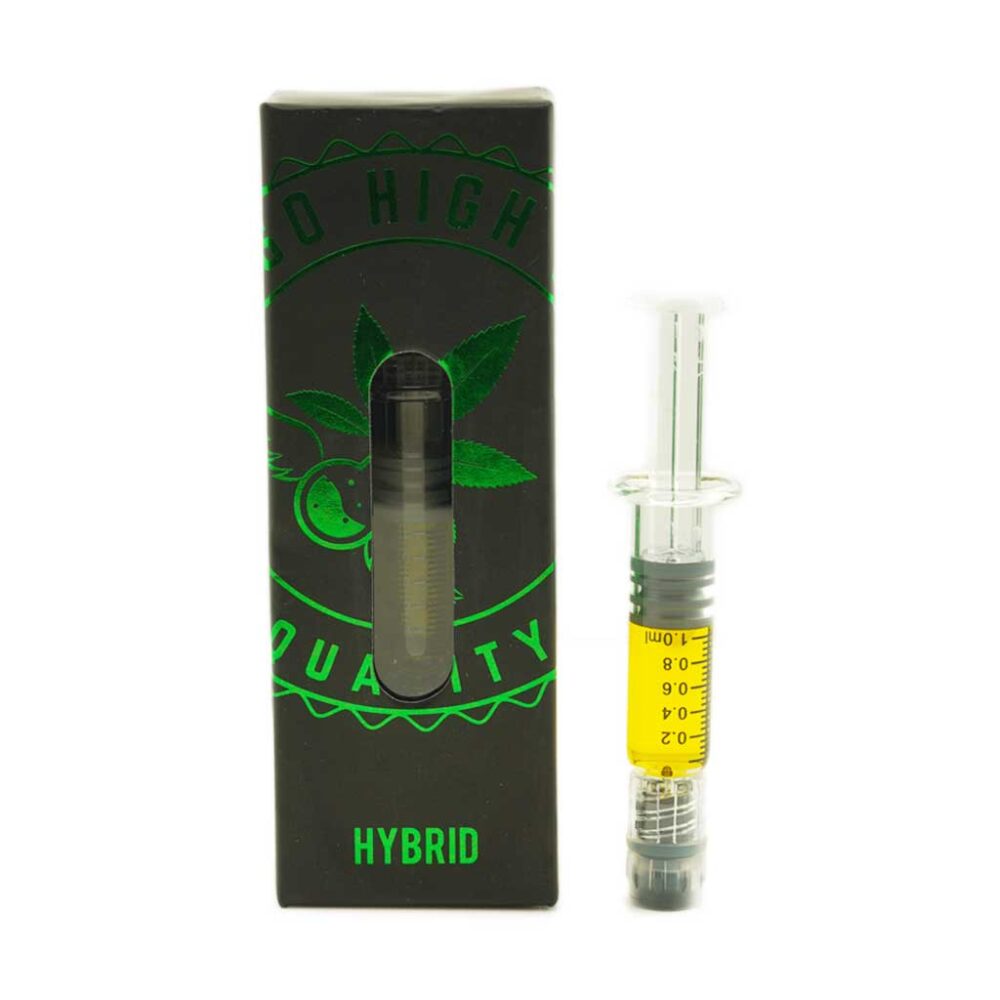
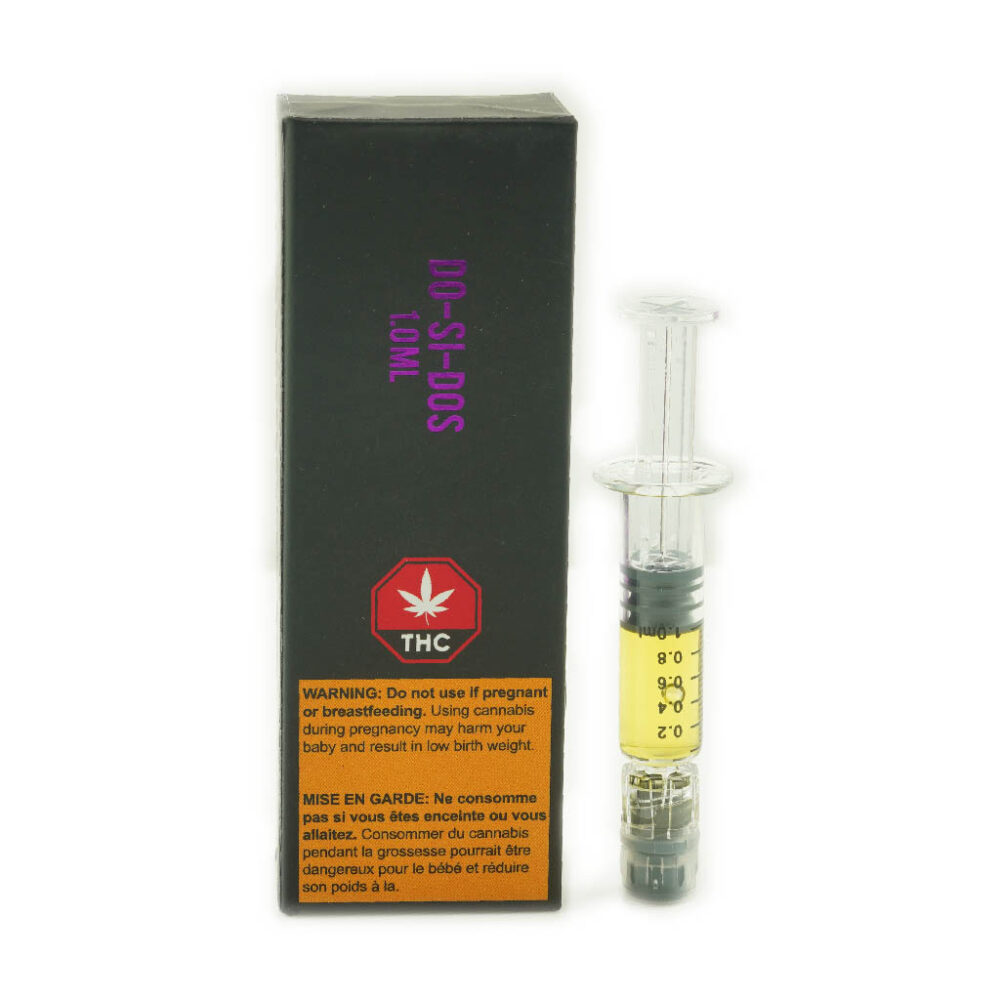
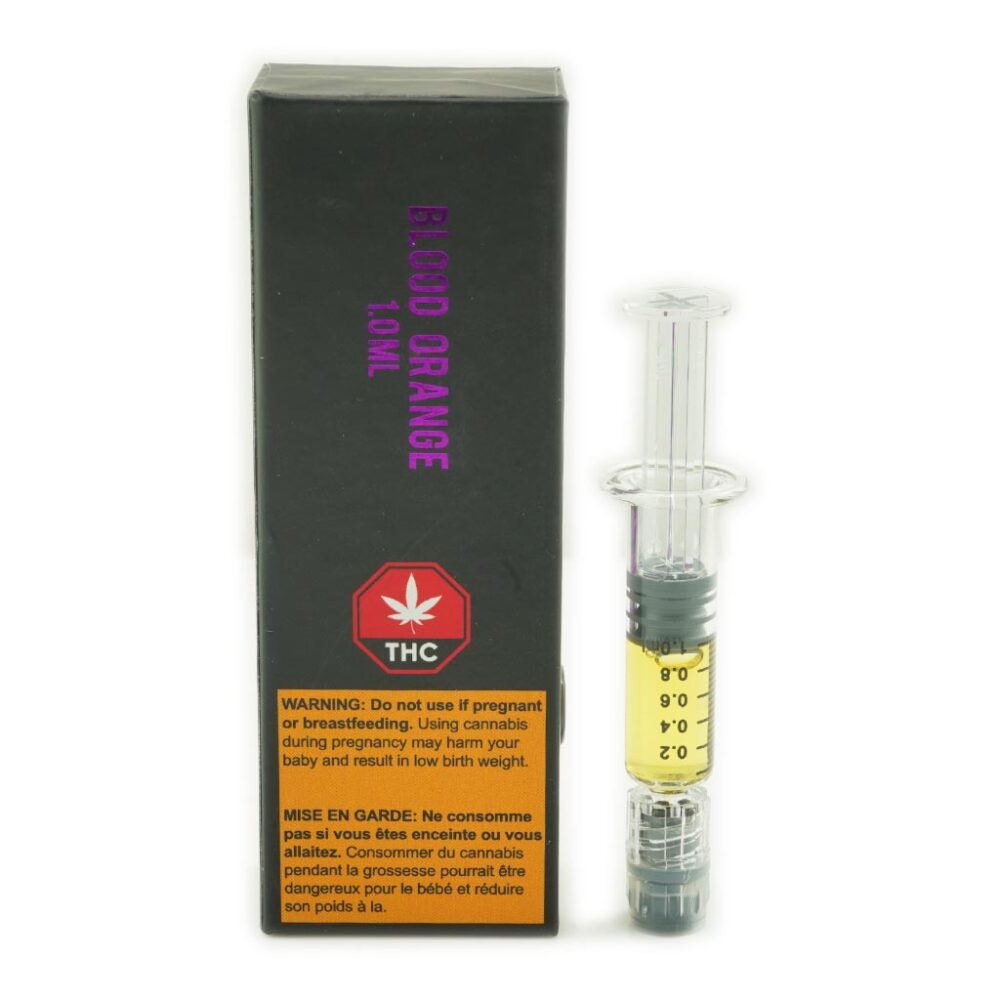
A cannabis oil syringe looks like something you would see in a clinic. In fact, many people call it a clinical syringe because of its sterile, no-nonsense design. But instead of medicine, it holds cannabis concentrate. The barrel is marked with clear graduations, so you know exactly how much you are drawing. You can get them in glass or plastic. I have used both. Glass syringes feel heavier and more durable, while plastic syringes are lighter and often disposable. Each has its place.
The key feature is the tip. Most of these syringes come with a narrow opening that lets you dispense oil drop by drop. That is essential when you are working with something as potent as delta 9 distillate. One extra drop could be the difference between a calm evening and an overwhelming night. The indica oil syringe removes that uncertainty.
Why Indica Oil Specifically?
Indica strains are known for their relaxing effects. People turn to them for sleep, pain relief, and unwinding after a long day. When you extract the oil from an indica plant, you get a concentrate that is rich in cannabinoids and terpenes that promote that kind of experience. But the oil itself can be thick and sticky. That is where the syringe comes in. A standard dropper might clog or deliver uneven amounts. A syringe applicator, especially one designed for thicker oils, handles the viscosity without a fight.
I have seen people try to dose indica oil with a spoon or a pipette. It is messy and wasteful. The oil clings to the sides and you never really know how much you have. With a distillate syringe, you draw the oil into the barrel, tap out any air bubbles, and push the plunger to the exact line. It is clean, repeatable, and fast.
Delta 8 Distillate vs Delta 9 Distillate: Dosing Matters
One of the most common questions I get is about the difference between delta 8 distillate and delta 9 distillate. Both are cannabinoids, but they affect the body differently. Delta 9 is the classic psychoactive compound. Delta 8 is milder, with less intensity. When you are using either in a cannabis oil, the dose becomes critical. A delta 9 distillate might require only a tiny amount to produce a strong effect. Delta 8 distillate often needs a bit more to achieve the same level of relief.
This is where a branded syringe from a place like KushStation can help. Their syringes are marked clearly and designed specifically for cannabis concentrates. I have used a few different brands, and the difference in quality is noticeable. A cheap plastic syringe can leak or break. A well-made clinical syringe holds its seal and delivers exactly what you measure.
Flavorless and Unflavored Options
Not everyone wants their cannabis oil to taste like cannabis. Some people prefer a flavorless or unflavored product. This is especially common among those who add oil to food or drink. A flavorless cannabis oil blends into coffee, tea, or a smoothie without altering the taste. The same goes for unflavored CBD oil. I have a friend who puts a few drops of unflavored CBD oil into her morning tea every day. She uses a bottle syringe to get the dose right, and she never complains about the taste.
When you are working with unflavored oils, the syringe becomes even more important. You cannot rely on smell or taste to judge the strength. You have to trust the numbers on the barrel. That is why I always recommend a glass syringe for these applications. Glass does not react with the oil, and it is easier to clean between uses.
Practical Tips for Using a Syringe Applicator
If you are new to using a syringe applicator for cannabis oil, here are a few things I have learned from experience:
- Always warm the oil slightly before drawing it into the syringe. Thick cannabis concentrate can be hard to pull. A few minutes in warm water or near a gentle heat source makes it flow easier.
- Tap the syringe gently after filling to bring any trapped air to the top. Then push the plunger just enough to expel the air before dispensing.
- Clean the syringe immediately after use. Residual oil can harden and clog the tip. Warm soapy water works for most syringes. For glass syringes, you can also use alcohol.
- Store the syringe with the plunger pulled back slightly to avoid pressure on the seal.
These steps might seem small, but they make a big difference in the long run. A well-maintained clinical syringe can last for months.
Branded Syringes and Quality Control
Not all syringes are created equal. A generic plastic syringe from a pharmacy might work in a pinch, but it is not designed for cannabis oil. The seals can degrade, the markings can rub off, and the plunger can stick. That is why I prefer a branded syringe from a company that understands the product. KushStation, for example, offers syringes that are built for cannabis concentrates. The markings are etched or printed permanently, and the materials are chosen to resist the oils and terpenes that can break down cheap plastic.
I have used their distillate syringe for delta 9 distillate and found it to be reliable. The plunger moves smoothly, and the tip dispenses a fine stream. For someone who values precision dosing, that consistency is worth the extra cost.
Oral Syringe vs Bottle Syringe
There is also a choice between an oral syringe and a bottle syringe. An oral syringe has a tip that fits into the mouth, which is useful if you are taking the oil directly. A bottle syringe has a tip that fits into a bottle neck, making it easier to refill from a larger container. I keep both types on hand. The oral syringe is better for direct dosing, while the bottle syringe works well for transferring oil from a bulk container into smaller daily-use syringes.
If you are buying cannabis oil in larger quantities, a bottle syringe saves time and reduces waste. You can draw exactly the amount you need without spilling. For everyday use, a smaller oral syringe is more convenient.
Final Thoughts on the Indica Oil Syringe
The indica oil syringe might seem like a small tool, but it represents a bigger shift in how we approach cannabis. Instead of guessing, we measure. Instead of wasting, we save. Instead of inconsistency, we get repeatable results. Whether you are using a delta 9 distillate for its strong effects or a delta 8 distillate for something gentler, the syringe applicator gives you the control you need.
I have been using cannabis concentrates for years, and I can honestly say that switching to a proper syringe was one of the best decisions I made. It changed my routine from a gamble into a science. If you are still using droppers or spoons, I encourage you to try the indica oil syringe. You might be surprised at how much difference a simple tool can make.